
Could the Loudoun Drowning Tragedy Have Been Avoided?

Share this article on:

A decade ago, I wrote a column in this space regarding a quality assurance process for professional architecture, engineering, surveying, mapping and related services codified in Federal law, and most state laws, including Virginia.

The “Brooks Act”, the Federal law enacted in 1972, codified a process that provides for the selection of firms to perform these services on the basis of the competence, qualification, background and track record of competing firms, not the lowest bid. The qualifications based selection (QBS) process is also endorsed by the American Bar Association in its Model Procurement Code for State and Local Government and most states, including Virginia, have enacted “mini-Brooks Acts”. Virginia’s QBS process is found in Section 2.2-4301 of the Code of Virginia.

All 50 states license architects, engineers, and surveyors. While there is a trend toward occupational licensing reform in many states to eliminate schemes that fail to serve the public interest or restrain or limit competition and market entry, the licensing of design professionals as a means of protecting public health, safety, and welfare has largely and wisely been exempt from this movement.

News of the tragic drowning of a Loudoun County teenager, and the shortcomings of 911 systems, raises questions about decisions made in the commonwealth about implementing state-of-the-art technology to assure prompt, accurate emergency response.

Problems with 911 systems in the commonwealth are not new. Inaccuracies in the Fairfax system made national news more than five years ago. A program known as the Virginia Geographic Information Network (VGIN) has been working to upgrade the systems across the state and in individual localities. This enhanced or E-911 is financed through a tax on monthly telephone bills and Federal funds. As of July 1, VGIN was transferred from the Virginia Information Technology Administration (VITA) to the Virginia Department of Emergency Management (VDEM).

The Loudoun incident has led to recommendations for upgrades to the E- 911 system to better locate cell phone calls and utilize better mapping.

The foundation for such maps is created through a complex process known as photogrammetry – the science of making measurements and maps from precision aerial photographs. VGIN regularly contracts for statewide aerial photography and the processing of these image into accurate maps, using the aforementioned funding sources. Regrettably, VGIN does not follow the commonwealth’s QBS law. Nor does VGIN require a licensed professional surveyor or surveyor photogrammetrist to be in responsible charge of such service contracts. The Virginia Association of Surveyors and other professional organizations have long promoted QBS and professional licensing for the VGIN work, known as the Virginia Base Map Program, recently renamed 9-1-1 and Geospatial Services. Notwithstanding these organizations’ advocacy, and an opinion by Virginia’s Board for Architects, Professional Engineers, Land Surveyors, Certified Interior Designers and Landscape Architects (APELSCIDLA Board), VGIN has consistently rejected both licensing and QBS in its mapping contracts.

An effort to close this loophole was presented to the General Assembly in 2017. HB 2145 by then-Delegate Jim LeMunyon and SB 1572 by Senator Bill Stanley would have required that a licensed professional oversee all photogrammetric mapping projects in Virginia, which would have brought efforts such as the Virginia Base Map Program under the state’s QBS process. The legislation was approved in the House of Delegates, but died in a Senate committee.

Competence, qualifications and quality are important; more important than price. Just as a poorly designed dam can burst, subjecting the state to huge claims, so too can a poorly planned or executed map unleash a flood of problems, creating an impediment to the expeditious completion of a government project, causing substantial loss of time and money, and jeopardizing the public safety. Like a well made dam, a high quality map will stand the test of time and will ensure that the government can proceed with its design, construction, resource planning or E-911 project based on complete, accurate, and reliable data.

It may just save lives.
Posted in Government Reform, State Government | 1 Comment

Economic and Job Recovery? Not the Special Session’s Focus

Share this article on:

With the Virginia General Assembly’s “Cops and COVID” special session moving into its third week, it seems likely to impede rather than assist the state’s economic recovery from the pandemic. It may also greatly expand COVID-19’s financial burdens in the years to come.

The highly publicized issues of unpaid rents and utility bills, threatening tens of thousands with choices between eviction, disconnection, or years of additional debt, are clearly related to un- and under-employment from the COVID-19 recession. But getting people back to work does not seem the top priority for legislators.

The original stated purposes for the session starting August 18 were to amend the state budget in response to the recession, and make other adjustments responding to the viral disease. Deadly confrontations between police and Black suspects in several American cities, and the violent response, added police and judicial reform issues to the agenda.

The 270 bills introduced by legislators (so far) reach far beyond those issues. Only one election-rules bill has passed both chambers so far, but 55 others have passed at least one chamber. This update focuses on some of those that will impact employers or taxpayers. There is mainly bad news on both fronts.

Both chambers are dominated by Democrats. So far, repeating the pattern from the regular session that ended in March, the Virginia Senate is refusing to adopt as “progressive” an agenda as the more numerous House. But it remains possible the General Assembly will:

  • Create a state mandate for employer-paid sick leave, either through legislation or by inserting it into the budget bill. Legislating in the budget is getting to be routine, sadly.
  • Extend protection and the payback period for those behind on their rents and utility bills, giving debtors from six to 24 month to pay. The 24-month period extends into 2023.
  • Expand state authority to probe and punish alleged price gouging, not just at the point of sale but throughout the manufacturing and supply chain.
  • Create a presumption that certain employees who get severe cases of COVID-19 were infected at work and deserve compensation, with the employer (public or private) footing the bill.

Something else that could impact any business or service operation dealing with the public:

  • Emergency orders from the Governor, which may also be in force for months or years to come, may soon carry the risk of a $500 fine. Current law sets the minimum punishment as a class one misdemeanor, ridiculous for minor infractions and thus seldom imposed. Fines are easy and may prove commonplace, and produce revenue that governments need right now.

The worst news for the economic climate involves a failed idea. One of the key measures that all employers, including non-profits, sought from the special session was some protection against lawsuits over COVID if they are making good faith efforts to protect their employees, clients, and customers. Both House and Senate versions of that idea – which has passed in some form in many states – were withdrawn last week.

The House version of the bill had been amended into a form where the business community saw it as promoting litigation. Union efforts for similar changes led to the demise of the Senate bill. Only the nursing home industry still has active legislation creating some narrow immunity from lawsuit.

The many other states which have addressed this issue may see quicker and easier economic recoveries. Fear of lawsuits is playing a major role in many Virginia business operations remaining closed or limited.

One of the deepest and longest lasting financial impacts will come from the response, or lack of response, to the rent and utility debts. Both the state and the federal governments, with bipartisan support, have been quick to prohibit evictions or utility disconnections. But the answer to the inevitable question of who ultimately pays and when has been slow.

It is likely real estate evictions and foreclosures will be restricted into the spring of 2021, and legislation pending would prevent eviction at that point but instead require 12 or even 24-month repayment plans. Where the money will come from for those, how people will start paying even higher rents if the economy is still mired in recession in 2021, is never discussed.

On the utility side of things, prohibitions on disconnections and mandatory long-term payment plans are also proposed. But this past week reports surfaced that Governor Ralph Northam wanted to direct the State Corporation Commission to use any excess profits held by Dominion Energy Virginia to cover unpaid bills. Potentially more than $300 million, money that might otherwise be future refunds for all Dominion customers, could be diverted to cover the bills of those fallen behind.

It won’t be enough money, probably not enough even for Dominion’s late payers. Every utility – electricity, natural gas, water, and sewer – has seen its accounts receivable explode. Families which are able to get back on track will again be paying extra per month to cover their debts, leaving less for other needs or desires. The potential to further retard economic recovery is obvious.

Likewise, any decision to offer wage replacement, medical coverage, disability status or death benefits to COVID-19 sufferers means higher workers compensation insurance premiums for their employers.

The legislation pending is limited to health care workers, fire, police and other first responders, and school personnel. Many but not all of those will be government employees, putting the bill on taxpayers directly. If workers file a claim, their employer can seek to establish the disease was not contracted at work. Proving that may be impossible.

If approved, and it has broad and bipartisan support, do not expect coverage to remain limited to those few employment categories for long. A grocery store worker or Internet installer has just as strong a claim that the job put them at risk for this virus. Eventually this will cover everyone. As with the economic waves from the unpaid rents and utility bills, the costs will reach us all.

Posted in Economy, State Government | 2 Comments

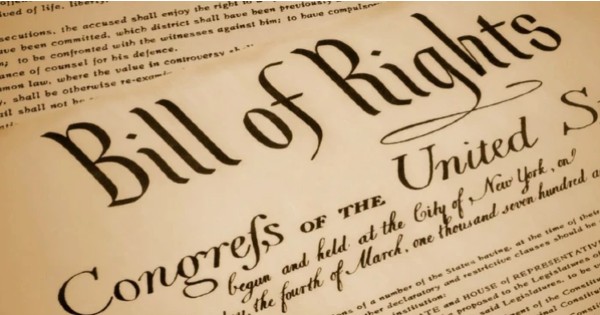
A College Student’s Bill of Rights

Share this article on:

College students should be reimbursed if they don’t receive the full benefits they pay for in tuition, fees, room, and board, declares the Partners for College Affordability and Public Trust.
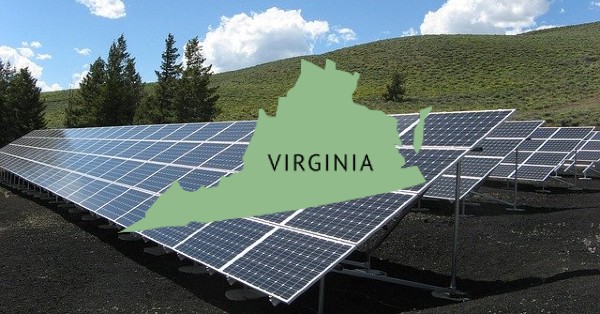
“COVID-19 has illuminated the long over-due need for basic consumer protections for those who are struggling to pay for the cost of college,” said Partners president James Toscano in a statement launching the Tuition Payer Bill of Rights. “As we saw in the spring when campuses were forced to close, colleges and universities cannot guarantee delivery of the quality of instruction, services and benefits they advertise. Still, very few are offering tuition discounts or are refunding fees, and in fact, some are actually raising their tuition.”

Over 100 class action lawsuits have been filed against institutions across the country for breach of services delivered. Toscano believes the litigation would be unnecessary if consumer protection policies existed. “For any other investment the size of college tuition, there are fundamental consumer rights in place to make sure that consumers are fully informed of the cost and benefits of the services for which they are paying, and they have a recourse if these are not delivered.”

The situation in Virginia is in flux as public and private universities receive an influx of college students for the new academic year. Higher-ed institutions are adopting an array of measures to combat the spread of COVID-19, including frequent testing, contact tracing, and social distancing. Athletic events are being canceled. More classes are being taught online. While the policy mix varies from institution to institution, campus life will not be the same, and in many cases neither will the learning experience.

Over 100 class action lawsuits have been filed against institutions across the country for breach of services delivered, litigation Toscano believes would be unnecessary if consumer protection policies existed.

“With 55% of students reporting that COVID-19 has affected their ability to pay for college and schools scrambling to solidify fall semester plans, students are looking for signs of assurance their investment in higher education will remain a good one,” said Kyle Southern, Policy and Advocacy Director, Higher Education and Workforce for Young Invincibles, which backs the Tuition Payer Bill of Rights. “Institutions should listen to students’ concerns and ensure equitable experiences – particularly for first-generation, low-income, and racially and ethnically marginalized students who will be most affected far beyond the current crisis.”

The Tuition Payer Bill of Rights has six main tenets:

  • Right to advertised benefits and refunds. The right to receive the full benefits owed to students through payment of tuition, fees, room and board and to be refunded for services not rendered.
  • Right to opt out of non-essential services. The right to op-out of paying fees levied for collegiate athletics, recreation and other non-essential services.
  • Right to no-cost alternatives to textbooks. The right to be given the option of no-cost online texts and materials.
  • Right to financial transparency. The right to a clear and detailed explanation of anticipated costs and those incurred to earn a college education: of financial aid and payment obligations; and of billing and how colleges spend money.
  • Right to know the value of a degree. The right to be informed of the earnings premium that former students earn beyond the typical high school graduate before enrolling in an institution of higher education.
  • Right to speak. The right to address college governing and advisory boards in a public comment period during open board meetings before decisions are made.

Bacon’s bottom line. Some of these proposals are familiar. Partners has brilliantly repackaged them in the form of a bill of rights. What adds umph to the initiative is the new insistence upon students’ rights to refunds. If students don’t get the kind of education they contracted for, if they’re charged fees for athletic events that never happen, if they don’t get the dormitory accommodations promised, they should get some or all of their money back. Who can argue with that? Are colleges going to insist that they have the right to cheat their customers? They can’t. It would be political dynamite.

Driven by their internal constituencies, Virginia’s colleges and universities are consumed with identity politics. But that fixation will run head-long into marketplace realities. Institutions had better get their priorities straight. If they’re interested in “social justice,” they can start by ensuring that all students — especially low-income minority students — get their money’s worth for their tuition and fees.

A version of this commentary originally appeared on August 13, 2020 in the online Bacon’s Rebellion.

Posted in Education | Comments Off on A College Student’s Bill of Rights

The Disaster Called the Virginia Clean Economy Act

Share this article on:

The Virginia Clean Economy Act (VCEA), passed in April by the Virginia Assembly and signed into law by Governor Ralph Northam, provides both the legal framework for electric energy production in the Commonwealth for the forseeable future, and also prescribes the mandates which Dominion Energy must follow to carry out the philosophy underlying this legislation.
The VCEA is one of the first pieces of energy legislation in the US purporting to provide electricity under a mandate of “net zero” carbon dioxide “emission” by the year 2050. In other words, it is legislation crafted by ”green” activists to fulfill their belief that the release of man- made CO2 during the production of electricity should be cut to zero.

This radical philosophy, which is embodied perfectly in the “Green New Deal”, is a doctrine enthusiastically embraced by the Democrat Party and the left wing of the environmental movement.

When put into practice what kind of electric energy world would this philosophy impose on Virginia consumers? What would it cost? What would it do to the Virginia countryside? Would it be reliable? How would the State Corporation Commission (SCC) — the body which historically has been responsible for regulating Dominion’s electricity monopoly — implement the novel directives contained in the VCEA?

The answers to these questions are contained in the 71-page plan filed by Dominion Energy with the SCC in May 2020.

The answers are shocking and appalling. Never before in Virginia’s history has there been a legislative mandate of such a sweeping and extreme proportions for electrical generation.

Dominion Energy confirms that, by following the mandates of the VCEA, the results will be:

  • a massive increase in the yearly electricity bill for the average Virginia family of $500 per year – a 40% increase over levels without the VCEA;
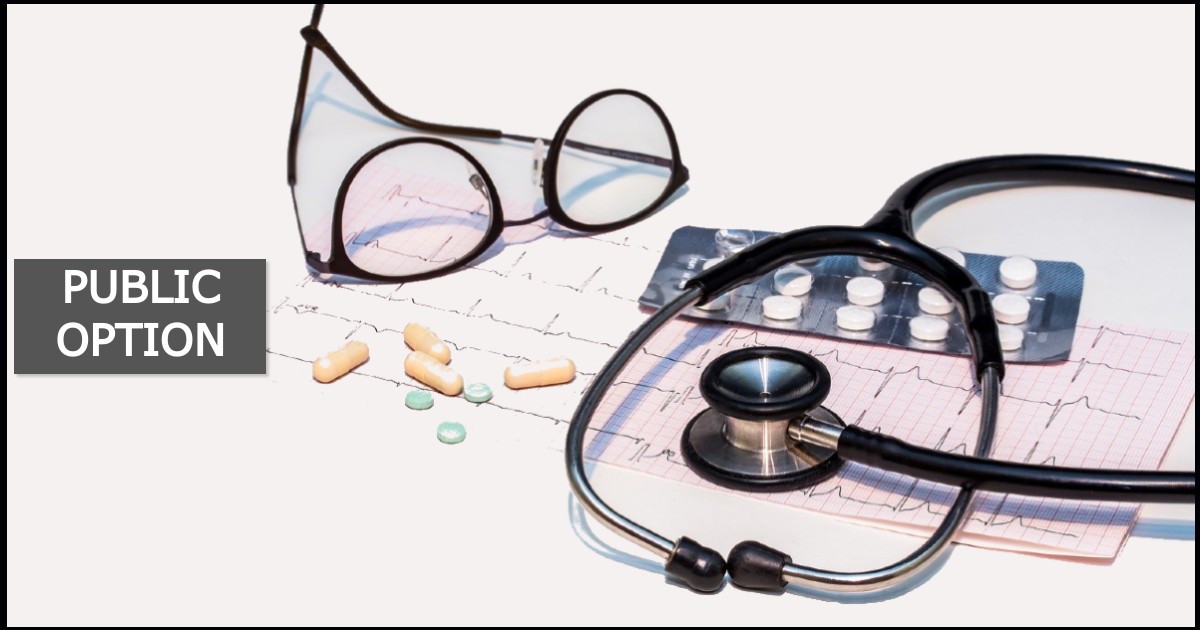
  • a blighting of the Virginia landscape with hundreds of thousands of acres of new solar panel farms and high-tension transmission lines and towers;
  • over $30 billion in increased capital costs for electrical infrastructure, which does not even include the new engineering expense embedded in such novel distribution facilities; and
  • a mixture of electricity sources severely threatening the reliability of electricity production, especially when the sun doesn’t shine (night) and the wind doesn’t blow (often).

So radical are these mandates that, for the first time in history, the SCC has effectively been entirely stripped of its authority to regulate electricity generation in Virginia, thereby jettisoning the SCC’s historical responsibility to assure Virginians of both the lowest possible cost of electricity coupled with the highest reliability.

There are also a number of other dangerous consequences which will be levied on the average Virginia family by the VCEA:

  • The increase in average annual electricity prices extracted from Virginia electricity rate payers will amount to an additional $2,250,000,000 annually in order to finance the pipe dreams of the eco-left;
  • The construction of massive off shore wind facilities, lying 26 miles off the coast of the lower Eastern Shore will be conveniently located out of sight, and not subject to pesky local land use permitting requirements. But even if out of sight, they will still lie directly in the path of Atlantic hurricanes. Think of the damage inflicted by Hurricane Sandy on New York City … and then imagine what would have happened to the VA off-shore wind farms. To make matters worse, the wind farms will be subject to the annual “Bermuda High”, which sits off the VA coast for weeks at a time during the summer, meaning no wind will be activating the turbine blades, and thus no electricity will be generated for the air conditioners of Virginians enduring the summer heat. Because wind energy is so unreliable, every similar wind farm in the United States requires backup generation capability powered by diesel or natural gas, an expense not even included in the Dominion plan.

Because Dominion is a regulated monopoly, every expense it incurs as a result of the VCEA will be paid for, one way or the other, by VA ratepayers, in order to assure that Dominion shareholders earn a legally required return on capital.

The VCEA requires – like the famous phrase emerging from the Viet Nam war – that the Virginia countryside must be destroyed in order to save it. The new solar fields required by the VCEA will blanket 490 square miles of Virginia farm and forest land – an area nearly half the size of of the State of Rhode Island, eight times the size of the District of Columbia, and 25% larger than all of Fairfax County.

In addition, Dominion will need to construct four massive interstate transmission lines at a cost of $8.4 billion to carry electricity from these solar fields to consumers. The County zoning authorities – and local voters – of each of each impacted County may have something to say about the placement of these transmission lines and solar fields in their back yards.

The question then becomes: All of this cost, unreliability, and environmental degradation is required exactly for ……… what ? The results can be summarized this way:

The VCEA will have absolutely zero positive impact on climate, and a devastating negative impact on the environment. Under the VCEA, Virginia will not have cleaner air, purer water, or a more beautiful countryside. Fifteen years from now, not a single Virginian will be able to see, touch, or smell any difference or improvement in the environment resulting from the VCEA. But they will be able to see a landscape ruined by solar panel eyesores and ugly transmission towers.

By embracing radical environmentalism, Virginia seems to be vying with California for the title of creator of the most destructive and unreliable energy policy, at the highest cost to its citizens, in the country.

By enacting legislation based on the deeply partisan, radical ideology of eliminating fossil fuels, and replacing them with costly, inefficient, and unreliable wind and solar energy, Virginia Democrats have bet the farm. As these cost burdens and unintended consequences become known, one can anticipate furious backtracking, finger pointing, and calls for repeal coming out of future sessions of the Virginia legislature.

There is nothing clean, green, renewable, or sustainable about the Virginia Clean Economy Act.

Posted in Government Reform | 3 Comments

The Public Option: A New Unaffordable Government-Controlled Health Insurance System

Share this article on:

At this critical moment, Virginians – and all Americans – are depending on our health care system like never before, and they deserve access to affordable, high-quality health coverage and care. Unfortunately, some politicians are proposing a one-size-fits-all new government health insurance system called the public option that could have negative consequences for hardworking Virginians, including higher costs and less access to quality care.

In fact, a recent report by FTI Consulting and the Partnership for America’s Health Care Future examines how our current health care system would have responded if a new government-controlled health insurance system called the public option was implemented before this crisis. The report found the public option “would only exacerbate stresses on the health system. Instead of improving access to care and supporting health system capacity, the public option could instead leave many Americans worse off.”

Today, our nation’s hospitals are strained by the crisis and projected to lose $49.6 billion in revenue. FTI’s report finds that the public option could worsen the strain on our hospitals by 60% to $79.2 billion, threatening access to high-quality care for tens of millions of Americans. Specifically, the financial impact of the public option could limit hospital resources to expand intensive care units (ICUs), procure supplies, and enhance staffing. For rural hospitals, many of which already operate under razor-thin margins, the public option could increase revenue losses for hospitals by more than 40% — threatening access to affordable, high-quality care for those in rural and underserved communities.

Meanwhile, a separate report from FTI warns that the public option could push private plans out of the marketplace, driving more than 130,000 Americans off their existing health coverage within a year of its introduction and creating a “two-tier” health care system. Experts also warn that the public option’s costs would be passed to middle-class families, whether through premium increases for those who remain on employer-provided and other private coverage, or through tax increases. For example, a report by economists from the Hoover Institution finds that the public option would become the third-largest federal program, behind Medicare and Social Security, and could result in a $2,300 per year payroll tax increase on the average American worker.

As these and other negative consequences of the public option become clearer, policymakers should instead focus on building on what’s working where private coverage, Medicare, and Medicaid work together to provide access to affordable coverage and care – not starting over with a one-size-fits-all government health insurance system controlled by politicians.

  • To learn more about the public option, CLICK HERE.
  • To learn more about the Partnership for America’s Health Care Future, CLICK HERE.
Posted in Health Care | 1 Comment